Lost or stolen pieces
Build a factual account of the event and preserve proof of ownership, photographs, purchase records, and any required report. Coverage for loss and theft can differ.
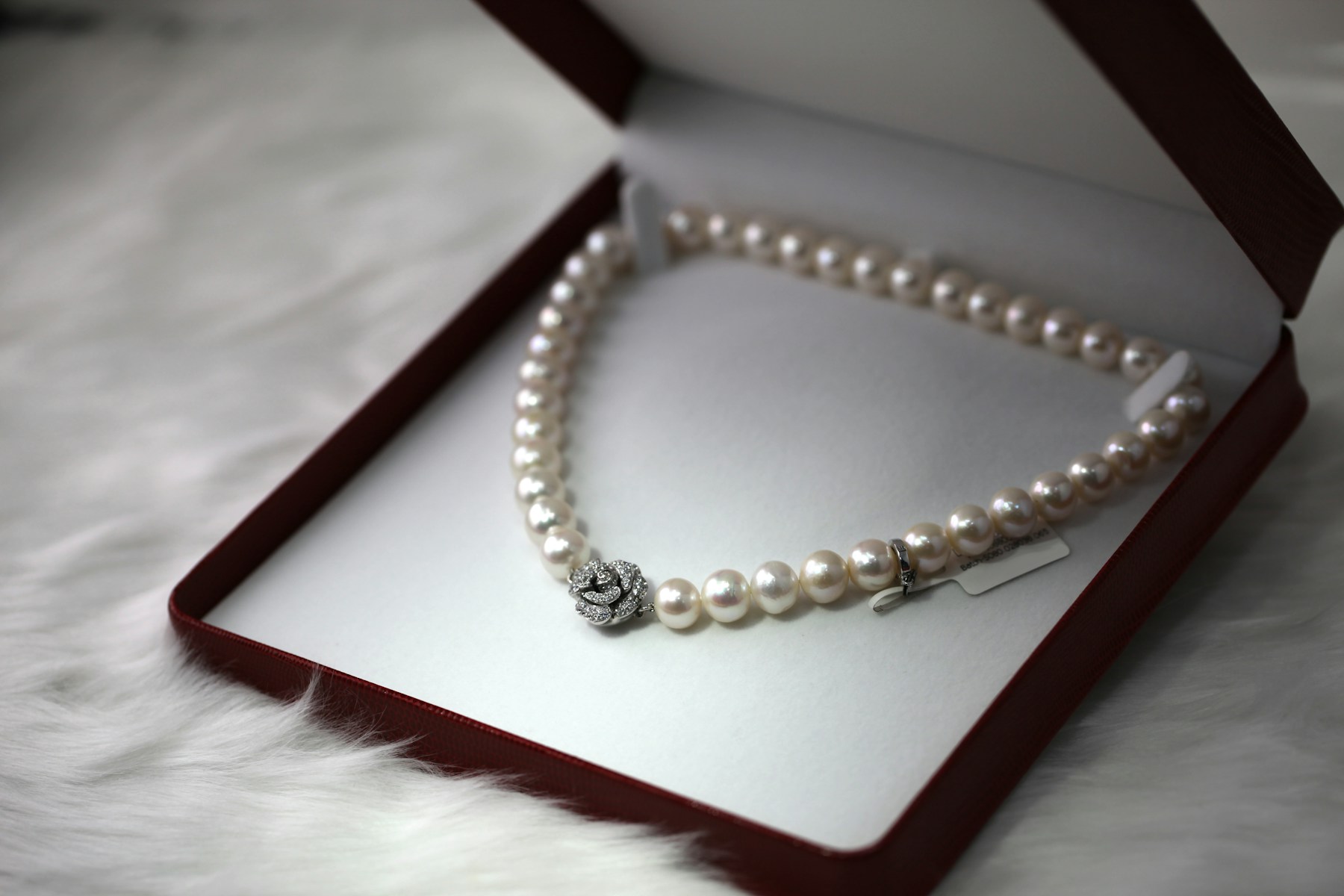
A considered approach to a personal loss
When a meaningful piece is lost, stolen, or damaged, the insurance claim deserves careful attention. Julio Ortega helps policyholders document the item, understand the claim, and present their position.
Julio C. Ortega · Active Claim Adjusters LLC
An introduction from Julio
Meet Julio Ortega and learn how a careful approach to the records can support your jewelry insurance claim.
Start a conversation ↗The claim, considered carefully
A familiar piece can be difficult to describe after a loss. Good records help make its identity, condition, and replacement characteristics clear.
Build a factual account of the event and preserve proof of ownership, photographs, purchase records, and any required report. Coverage for loss and theft can differ.
Keep the item and loose components, clear close-up photographs, and a qualified jeweler’s assessment. Document the repair scope before work begins when practical.
Compare the item’s documented characteristics with the proposed repair or replacement. Metal, stones, craftsmanship, and policy settlement terms all deserve attention.
Coverage may come from homeowners insurance, a scheduled item endorsement, or a separate jewelry policy. Limits, exclusions, deductibles, and settlement options vary; an appraisal amount is not automatically the claim payment.
A useful place to begin
An item’s story matters to you. The claim also needs an accurate record of the physical piece and the circumstances of the loss.
Download the checklistReceipts, photographs, appraisals, grading reports, hallmarks, model numbers, and serial numbers when available.
A factual timeline of the loss or damage, its location, and relevant reports or correspondence.
Declarations, the item schedule, endorsements, limits, deductibles, and the insurer’s written position.
Qualified repair findings or replacement descriptions that address the actual item’s characteristics.
How it works
A thoughtful process keeps the focus on the item, the evidence, and the coverage you actually purchased.
Discuss the piece, the loss, the policy, and the current claim status.
Connect ownership and item descriptions with qualified valuation or repair support.
Explain the documented position to the insurer and address disputed claim details.
Your public adjuster
Representation for the policyholder.
A public adjuster works for the insured in the property insurance claim process. Julio helps organize the evidence, prepare and present the claim, and communicate with the insurer on your behalf.
Julio represents policyholders in the insurance claim process. For jewelry, qualified jewelers, gemologists, or appraisers provide specialist findings; Julio brings the available documentation into the claim discussion.
Questions, answered
Practical answers before the first conversation.
No. A homeowners policy may have special limits and cover only certain causes of loss. Scheduled jewelry coverage or a separate jewelry policy can have different terms. The policy in force when the loss occurred must be reviewed.
Not necessarily. An appraisal describes and values the item for a stated purpose at a particular time. Payment depends on the policy’s settlement provisions, the insured limit, deductible, and evidence of the loss.
Keep other available evidence, such as dated photographs, appraisals, family records, bank records, grading reports, or a jeweler’s documentation. The insurer’s proof requirements and the reliability of the available evidence matter.
Protect the item and keep all components. When practical, document its condition and coordinate inspection or repair authorization before permanent work. A qualified jeweler should assess repair needs.
Yes. Bring the written offer or explanation, policy, item records, and any deadlines or signed release. A review does not guarantee a different outcome.
Julio explains the proposed services and fee in a written agreement before representation begins. You can discuss whether the service makes sense for your particular claim.
Start the conversation
Tell Julio about the piece, what happened, and where your claim stands. Start with the essentials; sensitive documents can be shared through an agreed method later.
Active Claim Adjusters LLC
Julio Cesar Ortega · Florida Public Adjuster
Start with a brief description. Please keep policy numbers, identification, and sensitive claim documents out of the first email. Arrange document sharing directly with Julio.